


Tematica: Ethics, philosophy and bioethics
Tematica: Ethics, philosophy and bioethics
-

Agenti AI e simulazione del comportamento umano, i rischi etici
Le IA generative si dimostrano sempre più capaci nel conversare e creare contenuti, ma non possono svolgere azioni. La comparsa degli agenti AI permette di superare questo limite, sollevando al contempo l’urgenza di iniziare ad affrontare importanti questioni etiche. Questi strumenti basati su intelligenza artificiale promettono infatti di svolgere compiti complessi e imitare comportamenti umani…
-
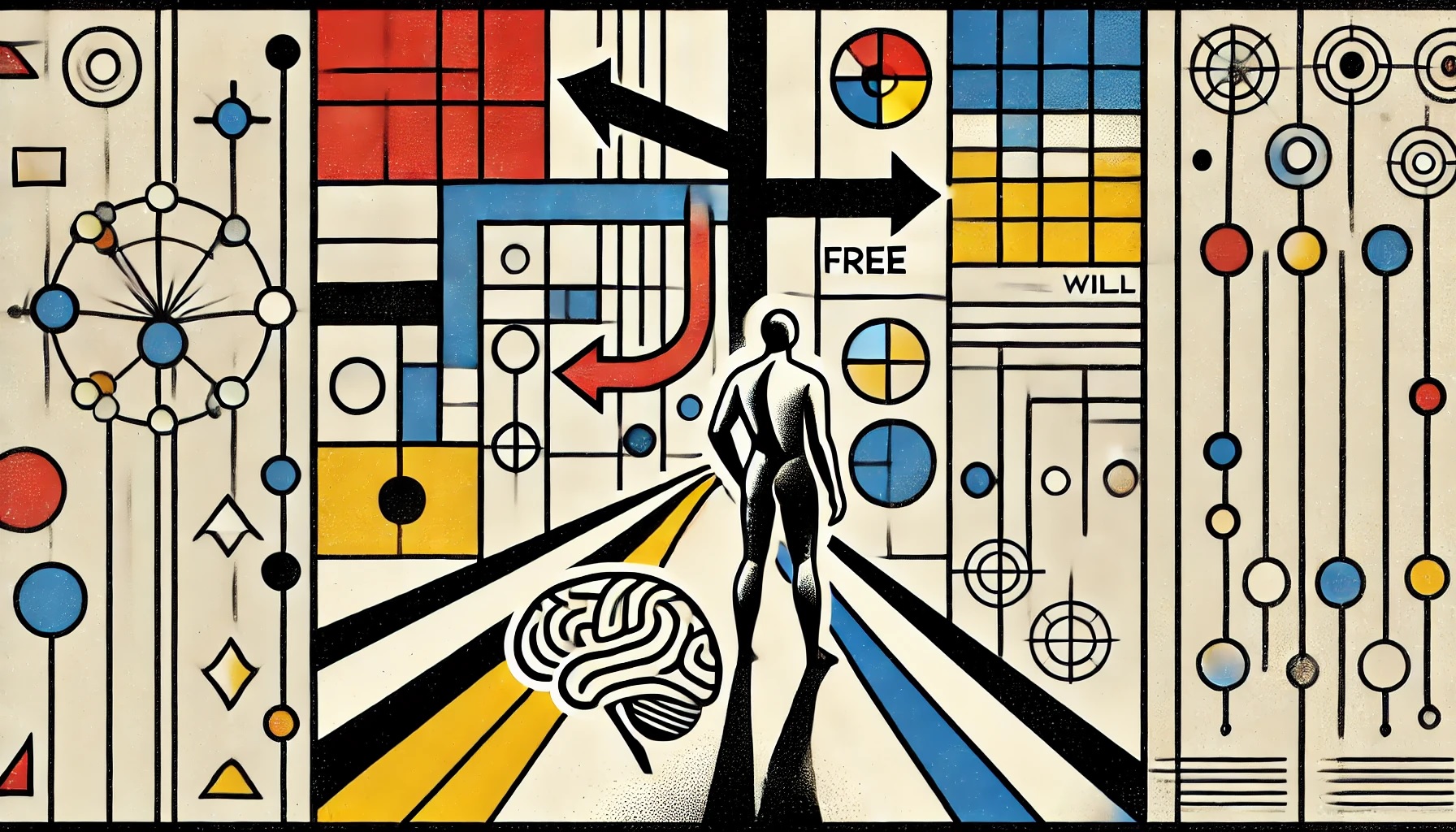
Free will: artificial intelligence as the basis for a new convergence between philosophy and science
Free will: is it just a philosophical matter? Not any more. Free will was the topic of not only the 25th World Congress of Philosophy in Rome but also the annual conference of the Artificial Life Society in Copenhagen. In their effort to create autonomous machines, researchers are increasingly driven to ask: "autonomous from what?"…
-
Artificial intelligence and responsibility
Artificial Intelligence (AI) profoundly affects human life, transforming information and communication. While it offers significant benefits, it also presents risks such as information pollution and the spread of fake news. The use of AI must be guided by ethical principles to prevent discrimination and social injustice. Freedom and responsibility are inseparable and are essential to…
-

Once upon a time there was transparency
In the age of neural networks, the transparency and explainability of AI models have become problematic issues. Transparency refers to understanding the model's processes and logics. Transparency includes having access to the training data, knowledge of the architecture, and information about testing and monitoring. Explainability is about the ability to determine semantically what caused the…
-

Artificial Intelligence in Medical Research
Artificial Intelligence (AI) is transforming medicine by improving diagnostic accuracy, patient management, and drug discovery. Notable successes include the use of deep learning for medical image analysis and DeepMind's AlphaFold app to predict protein structures. During the COVID-19 pandemic, the use of AI accelerated the development of vaccines. However, the application of AI in medicine…
-

The patient-doctor relationship in the era of artificial intelligence and its application to medicine
The patient-doctor relationship has evolved from the two models described by Plato in the fourth century BC — the authoritarian model for slaves, the collaborative model for free men — towards the current model, based on informed consent, promoted by Italian Act 217/2019. The impact of artificial intelligence (AI) on this relationship raises the question…
-

Transhumanism – the alphabet of AI rhetoric: Part 3
Transhumanism is an ideology that proposes radically enhancing the human body and mind through technology, allowing individuals to choose whether to undergo improvements in order to live longer and become superintelligent. This movement, supported by various tech billionaires, explores both its utopian potential to abolish human suffering and the apocalyptic risks of technologies that are…
-

Copiloting the future: rethinking “impact” and naïve immaginaries of AI systems with a sociotechnical gaze
Debate on artificial intelligence (AI) is often dominated by utopian and dystopian visions, but a sociotechnical approach is needed to understand its true impact. Scholars argue that we need to consider the practices and immaginaries that will shape future scenarios involving AI. If we consider the term "impact" as problematic, then we can analyse how…
-

X-Threat: the existential risk — The alphabet of AI rhetoric: Part 2
The concept of AI-related "existential risk" refers to the possibility of AI development leading to catastrophic consequences for humanity, including possible human extinction. Among the main scenarios feared are hostile superintelligence, military use of AI, and increased inequalities. Figures such as Nick Bostrom, Elon Musk, and Stephen Hawking have expressed concerns about these risks. The…
-
What can be said about “algorethics”? A critique
Algorethics, a term coined by the philosopher Luigi Lombardi Vallauri in 2017, concerns the ethics of algorithms, both biological and non-biological. Paolo Benanti then contributed to the popularity of the term, emphasising the need to make ethical evaluations computable to avoid inhumane forms of "algocracy". However, algorethics is criticised as an abstract term that can…